What to See & Do
Focus on the strongest experiences: fortification design, prison features, sea panoramas, photography opportunities, and TV film locations.
Inside the Castle
Blackness is compact enough to explore thoroughly in 90 minutes, but rewarding enough to justify spending longer. These are the details that distinguish a thorough visit from a rushed one.
Top Viewing Points
Each part of the castle offers a distinct experience — plan your route to take in all three key positions.
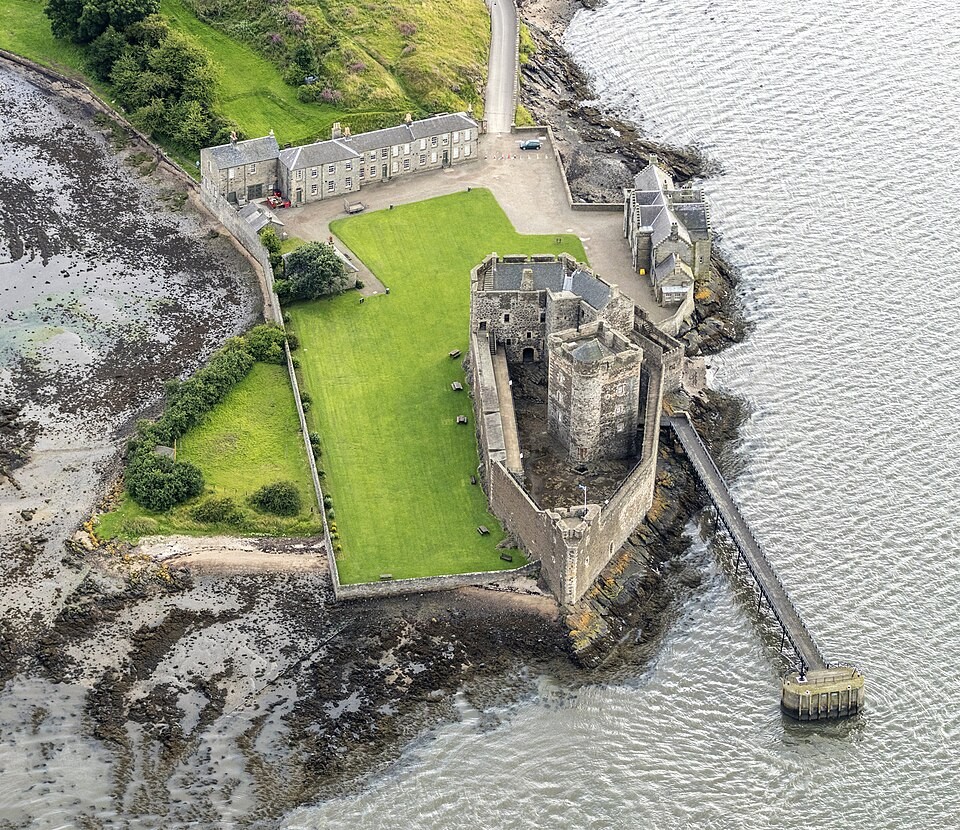
Best for understanding the layout and reading the fortress as a complete defensive machine. From here, you can compare the relative height and projection of each tower and imagine lines of movement for guards, prisoners, and garrison. The courtyard remains the heart of the castle and the clearest place to grasp the ship analogy.
These platforms provide broader views and are ideal for contextual photographs that include water, shoreline, and surrounding infrastructure. On clear days, the visual depth across the Forth is one of the strongest reasons to visit — you can see the three Forth bridges from a single position.
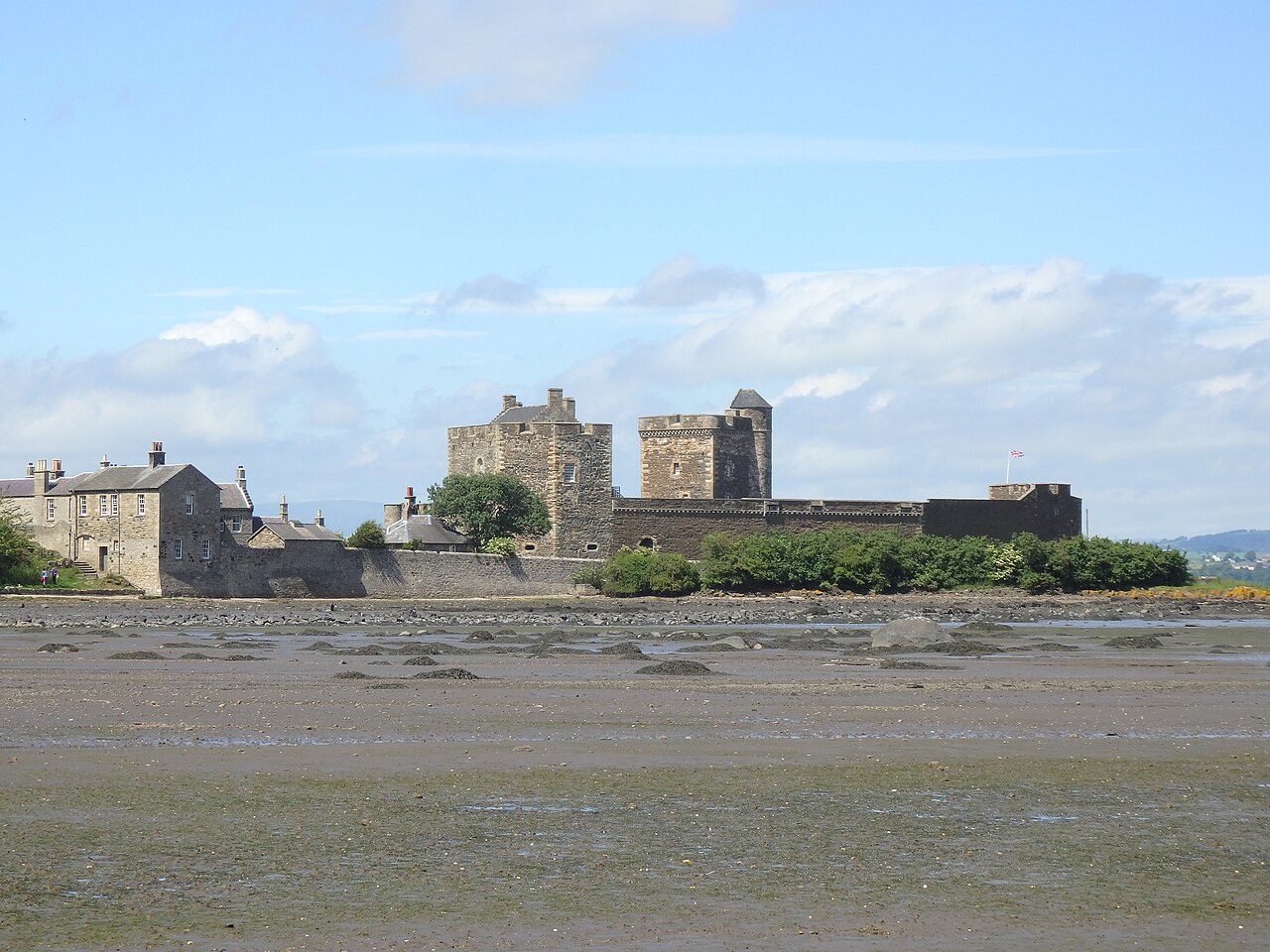
This is where the famous ship-like profile becomes most obvious. If you want dramatic silhouette photographs, spend extra time here and walk through several angles before leaving. The pointed north tower projecting into the water is most impressive from this position, especially in low or overcast light.
Around the Site
Walk the outer edge and pier area for broad waterline views and strong silhouette photographs of the fortress. The coastal path offers different angles throughout the day as the light changes across the Forth.
Blackness Castle appears in major film and TV projects, including Outlander, where it doubled as Fort St. Julien. The courtyard and ramparts are the key photo points for fans of the series and other productions.
Pair your visit with a slow walk through Blackness village and nearby coastal viewpoints for a complete half-day route. The village is small and quiet, with access to the shoreline path in both directions from the castle.
Film & Television
Blackness Castle's dramatic setting, well-preserved fabric, and remote coastal location have made it a favourite with filmmakers and TV producers. Its combination of authentic medieval stonework, exposed coastal position, and absence of modern intrusions creates backdrops that are difficult to replicate elsewhere.
The castle is best known as Fort St. Julien in the acclaimed TV series Outlander, which brought it to international attention. The courtyard, ramparts, and gate passage feature prominently in several episodes, and many visitors now arrive specifically to identify these locations.
Other productions have also used the site over the years, drawn by the same combination of cinematic stone textures, narrow passages, and open horizon that visitors on foot discover for themselves.
Blackness Castle doubles as Fort St. Julien in the internationally acclaimed TV series. The courtyard and ramparts are the key filming locations recognisable to fans of the production.
Photo spot: courtyard gate passage & rampart walkway
For Every Visitor
Whether you're a history enthusiast, a photographer, or visiting with family — Blackness Castle has something specific to offer.
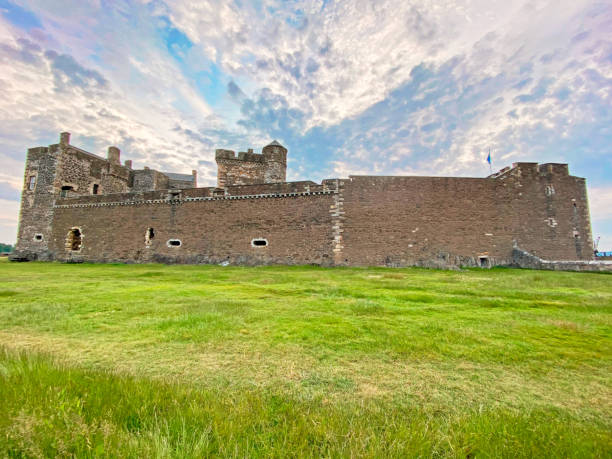
Focus on artillery-era features, gate defence geometry, and prison-use spaces. The site is small enough for close reading of details that would be lost in a larger fortress. Pair with the history page for full context before your visit.
Bring a wide lens for architecture and a mid-range zoom for bridge and coastline framing. Overcast skies often improve texture contrast on stone surfaces. The outer approach and pier area give the most dramatic silhouette shots — spend extra time walking through different angles.
Plan short activity goals for children: spot the "ship" shape from the pier, find the strongest wall section inside the castle, and identify filming viewpoints. The compact size means young visitors stay engaged throughout without tiring.