Official Website · Blackness, Scotland
The Ship That Never Sailed
A medieval sea fortress rising from the Firth of Forth since the 1440s. One of Scotland's most evocative historic sites — royal palace, state prison, and unforgettable landscape.
About the Castle
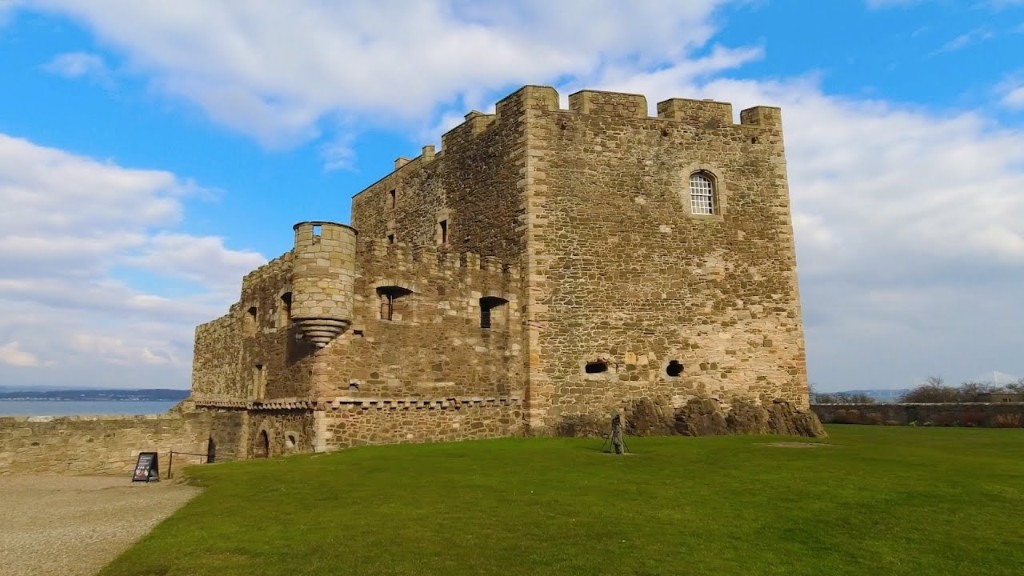
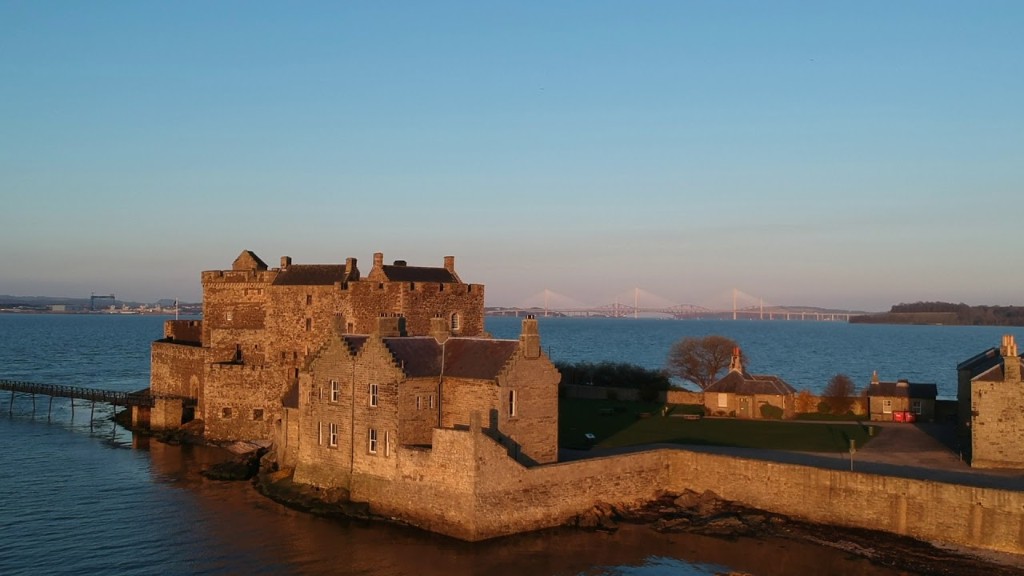
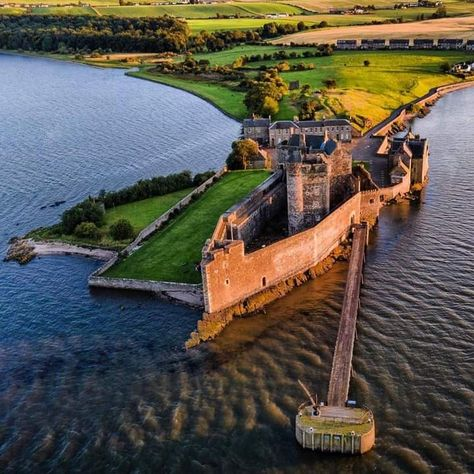
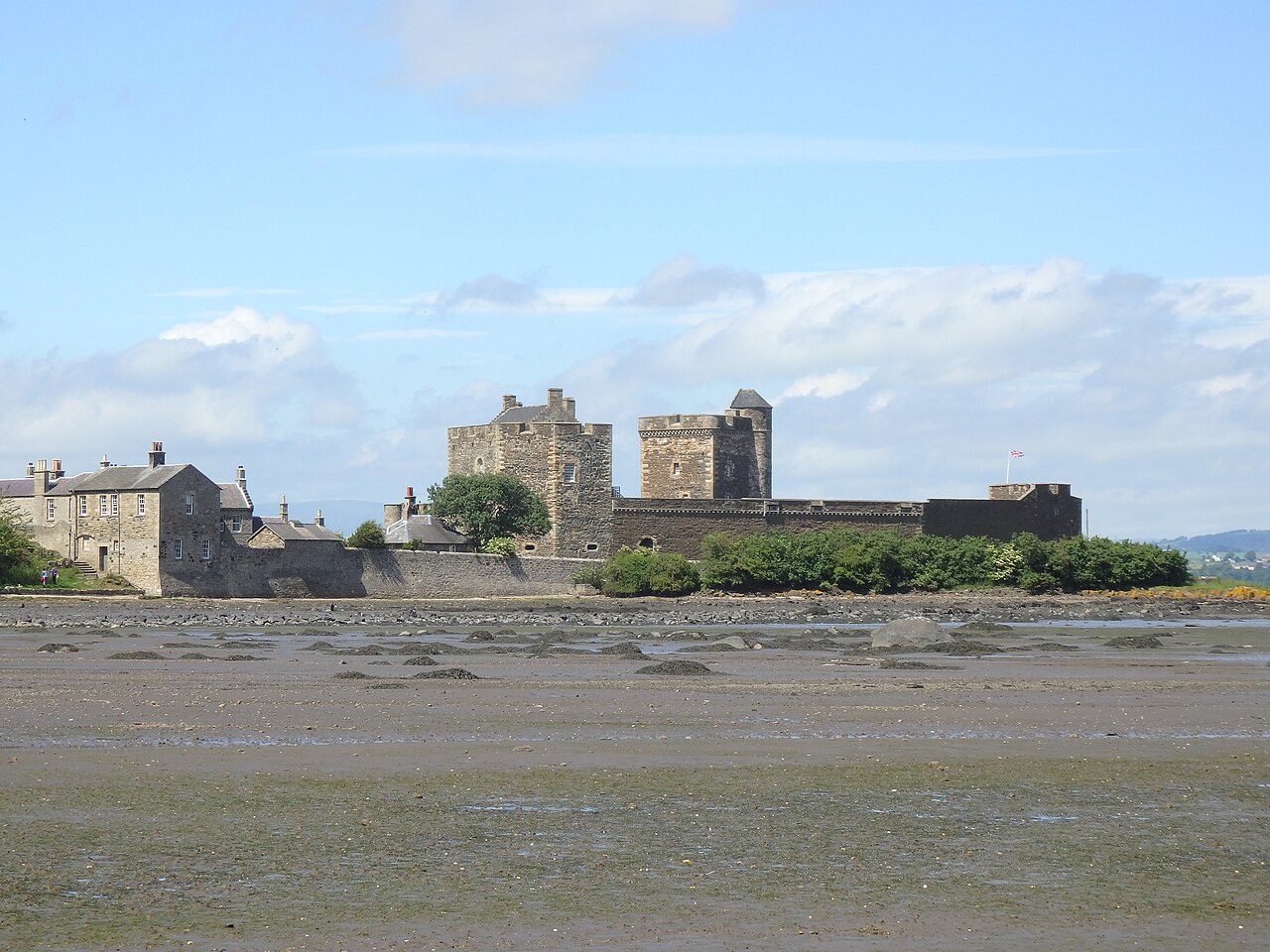
Blackness Castle stands on a rocky projection into the Firth of Forth, its long silhouette mirroring the hull of a ship at anchor. Built in the 1440s under Sir George Crichton, it was later upgraded into one of Scotland's strongest artillery fortifications — and its distinctive profile earned it the enduring nickname "the ship that never sailed".
Over nearly six centuries the castle served as a royal residence, state prison, munitions depot, and garrison fortress. Today it is one of the country's finest medieval sites, open to visitors year-round.
The site offers a different experience from larger city castles. Compact internal spaces open suddenly onto broad coastal views where you can read exactly how this fortress controlled the water approaches to Linlithgow and the wider Forth valley.
Why Visit
Famous for its defensive architecture, prison history, coastal panoramas, and film appearances — a compact but memorable historic experience.
Read military design decisions directly in stone — from approach control to tower vantage lines and sea-facing gun ports that shaped centuries of Scottish defence.
History →
From the ramparts, enjoy sweeping views across the Firth of Forth toward the hills of Fife and all three Forth bridges — ancient and modern Scotland at once.
What to See →
Blackness Castle has appeared in major productions including the acclaimed TV series Outlander. The courtyard and ramparts are iconic film-location photo points.
Film Spots →Visitor Experience
Blackness Castle gives a different experience from larger city castles. The site feels more exposed to the sea and weather — and that is exactly what makes it memorable. You walk through compact internal spaces, then suddenly step out to broad coastal views where you can see how the fortress controlled water approaches in earlier centuries.
The site suits mixed-interest groups well. History fans can focus on fortification details and prison stories, photographers can plan light and angles around the outer walls, and TV enthusiasts can identify filming locations from period productions.
Suggested Itinerary
Follow this simple route to get the most out of your visit, whether you're arriving from Edinburgh, Linlithgow, or further afield.
Arrive in Blackness village, park, and walk toward the castle gate. Start with wide photos of the exterior and the ship-like profile before entering — the outer approach reveals the fortress's strategic position best.
Explore the courtyard, stair routes, and tower viewpoints. Plan enough time to pause at each level rather than rushing through. Identify the three towers — bow, mast, and stern — that give the castle its nickname.
End with a short shoreline walk and viewpoint stop along the pier area. This gives full context to the castle's strategic position on the Forth and delivers the most dramatic silhouette photographs.
Travelling from Ireland
A popular combination: arrive in Edinburgh on Friday, explore the city on day one, then visit Blackness Castle as a half-day or full-day trip on day two.
Weekend break via Edinburgh — arrive Friday, explore Edinburgh on day one, visit Blackness Castle on day two as a 20-minute drive from Linlithgow or a 35-minute drive from the city centre.
Spring to early autumn offers longer daylight and clearer views across the bridges and Fife coastline. Summer evenings are particularly atmospheric.
Edinburgh offers urban heritage and museums while Blackness gives a rugged military landscape in a quieter, coastal setting. The contrast works extremely well for a short break.